Skip to content
Damascus House

Men’s Recovery Support | Brooklyn, Maryland

A structured place to rebuild.

Damascus House is a nonprofit that helps men strengthen early recovery through residential structure, outpatient care, accountability, and a community built around lasting change.

A private conversation. Clear next steps. No pressure.

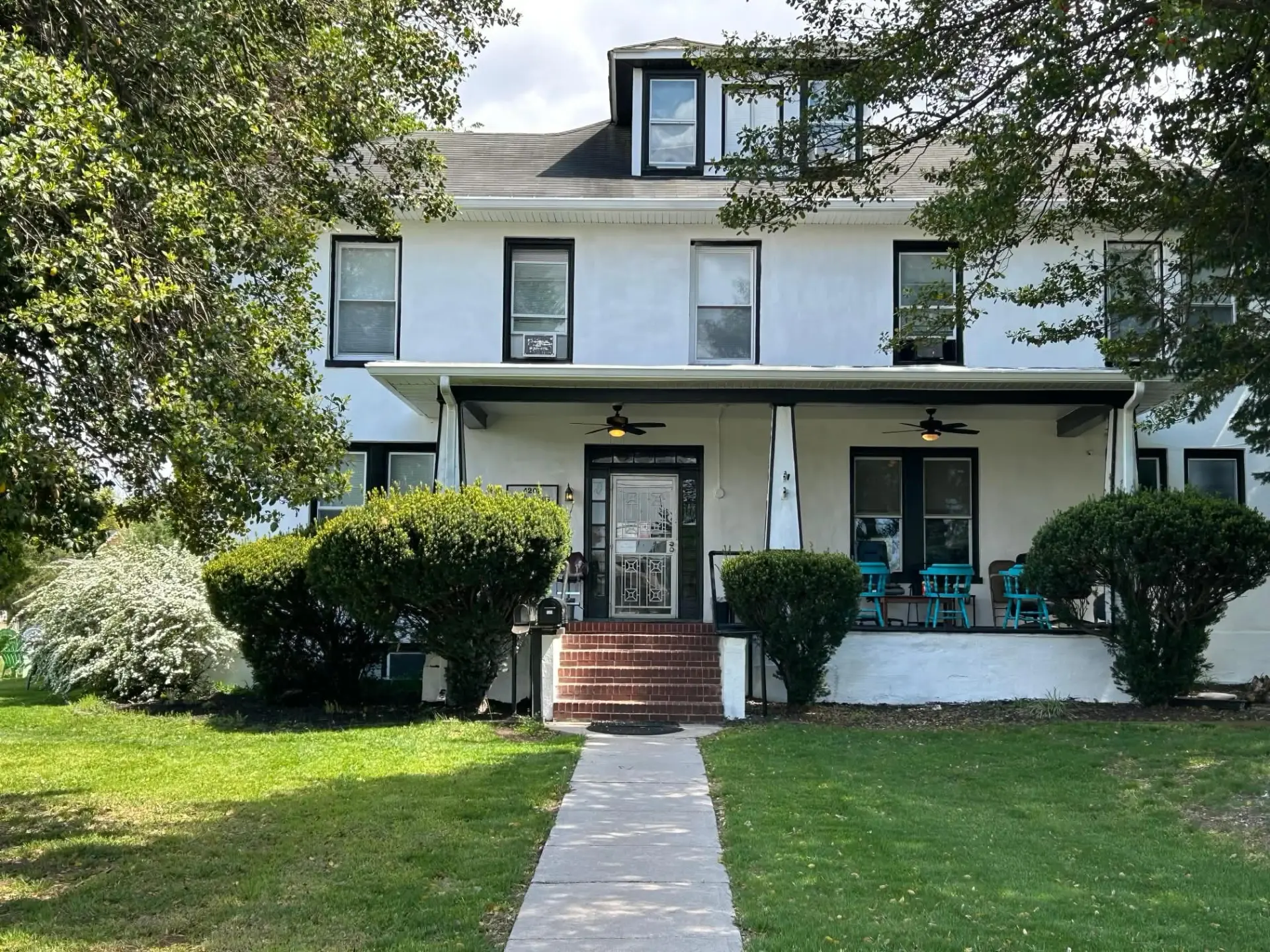
The front of a Damascus House residence with a covered porch, shade trees, and a front lawn
40+Years

Nonprofit organization

A Nonprofit Serving Maryland’s Recovery Community for Over 40 Years

For more than four decades, Damascus House has been part of the lives of individuals and families throughout the recovery community.

Levels of care

Multiple Levels of Care. One Continuum of Recovery.

Recovery looks different for everyone. Damascus House provides multiple levels of support designed to meet individuals at different stages of their recovery.

More structureMore independence
  1. 3.1ASAM Level 3.1

    Low-Intensity Residential

    A structured place to live while you build recovery skills, with accountability, clinical support, and help growing toward independence.

    • Structured residential environment
    • Recovery-focused support
    • Accountability
    • Relapse-prevention skills
    • Community reintegration
    • Increasing independence
    Learn more
  2. 2.1ASAM Level 2.1

    Intensive Outpatient Program (IOP)

    Structured clinical care several times a week while you live at home and keep up with work, family, and community.

    • Structured outpatient programming
    • More frequent clinical support
    • Recovery education
    • Individualized treatment planning
    • Relapse prevention
    • Work, family, and community stay in place
    Learn more
  3. 1.0ASAM Level 1.0

    Outpatient Program (OP)

    Ongoing, lower-intensity professional support for men who are ready to carry more of daily life on their own.

    • Flexible ongoing clinical support
    • Individualized treatment
    • Continued accountability
    • Recovery planning
    • Relapse prevention
    • Greater independence
    Learn more

Placement is based on an individual assessment and clinical need. A call with our team is the best way to talk through which level may fit.

Recovery needs more than good intentions.

Most men do not relapse because they stopped caring. They relapse because the days after treatment are unstructured, the old environment is still waiting, and there is no one nearby who understands what early recovery actually takes.

Damascus House is built around the parts that are hard to hold alone: a steady routine, a stable place to live, clinical guidance, peers who notice when something is off, and practical skills for work, family, and responsibility.

You do not need to have it figured out before you call. A conversation is enough to start.

Programs

Three levels of support, one steady direction

Program details below reflect what is described in the public program profile. Final placement always depends on an individual assessment and current availability.

Residential Recovery

Structured living for men after detox or higher-intensity care

A supervised home environment with daily routine, staff support, counseling, and 12-step connection. The source profile describes stays that commonly run three to six months depending on individual progress and goals.

Learn more
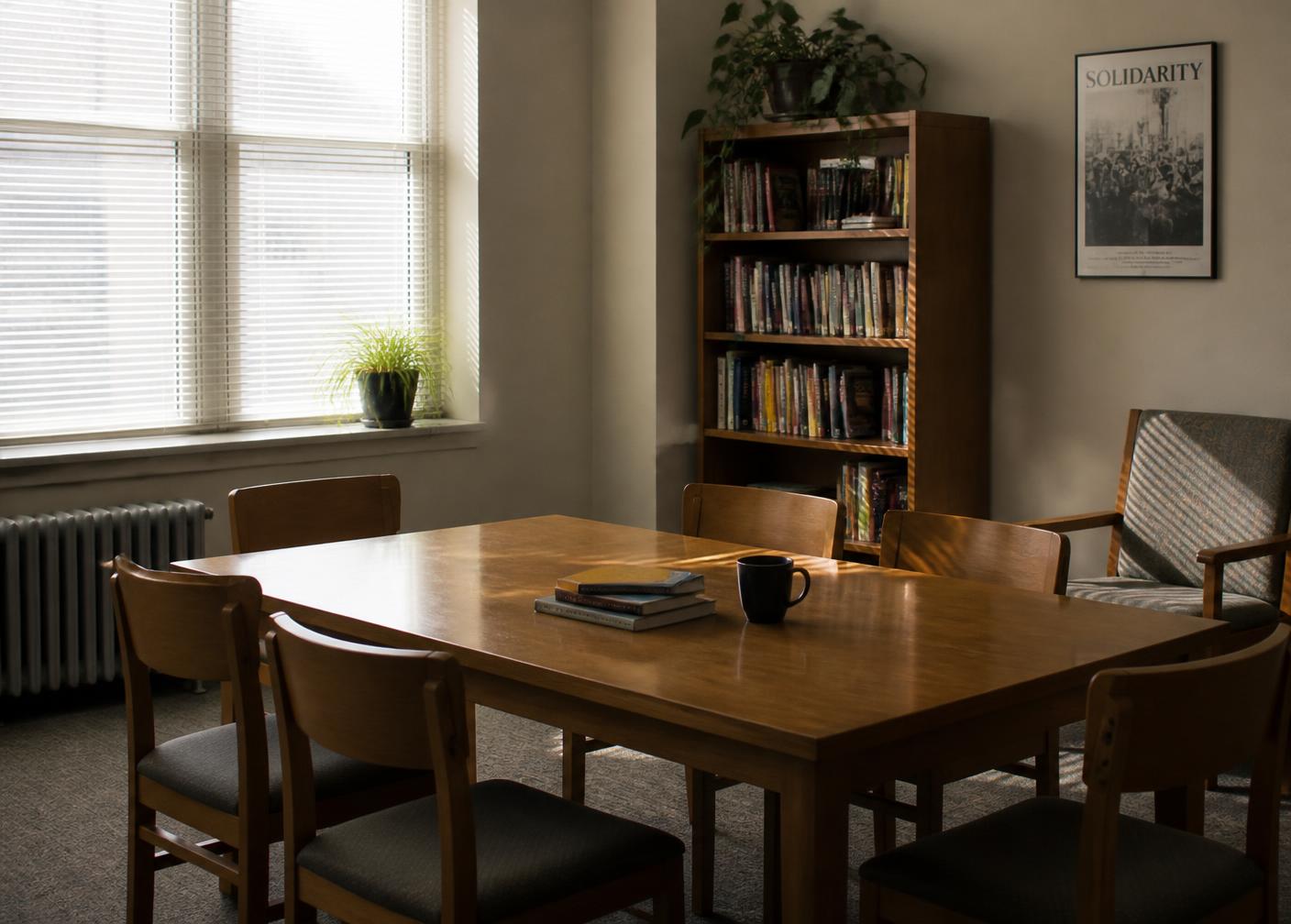
Quiet common room with a wooden table, chairs, and a bookshelf in morning light

Intensive Outpatient Program

Structured therapy while you keep working and stay with family

The source describes about nine hours of group therapy each week plus individual sessions, commonly for around twelve weeks. Placement depends on assessment and current availability.

Learn more
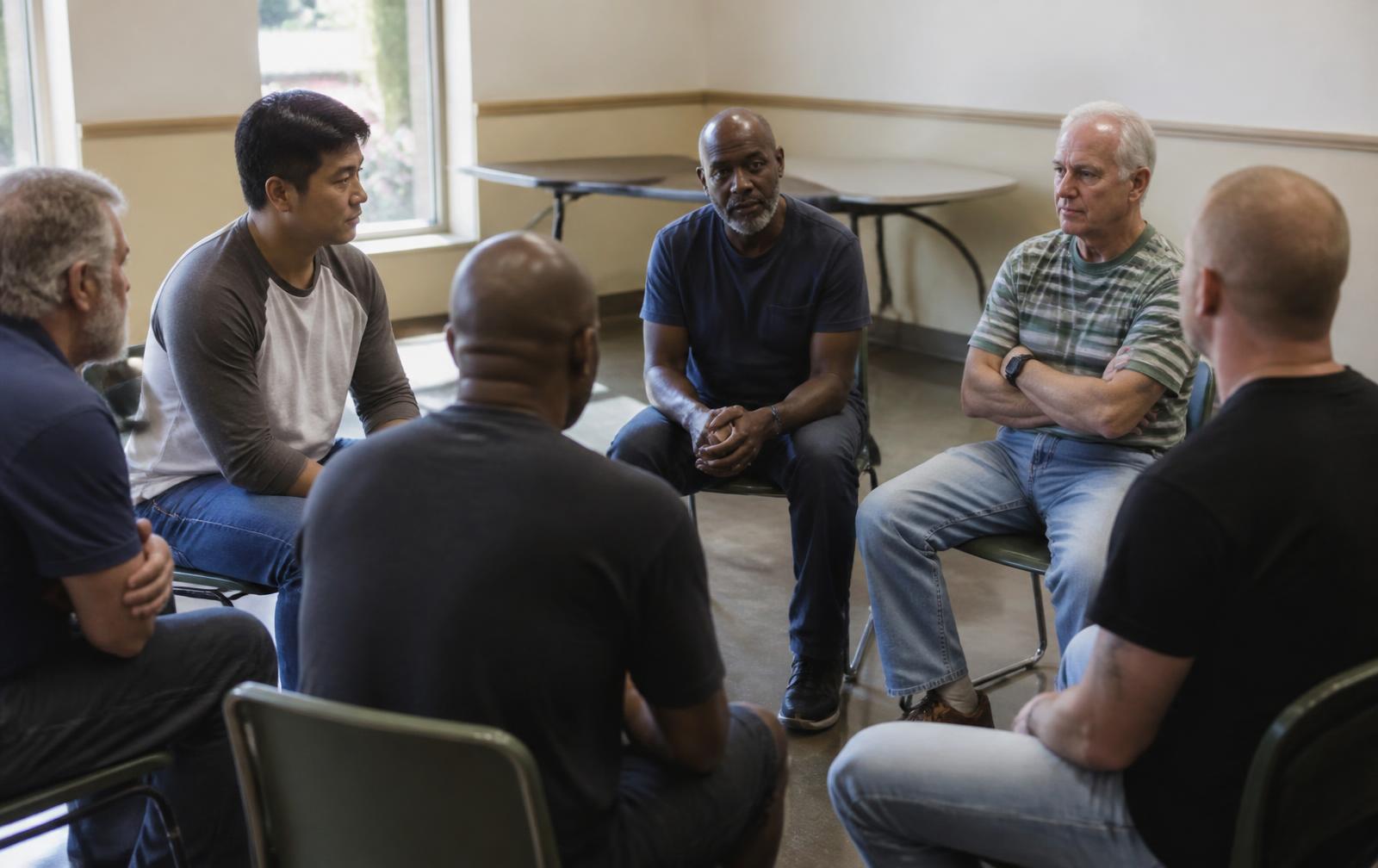
Adult men seated in a circle of chairs during a group therapy session

Outpatient Program

Step-down support as independence grows

A lighter level of care described in the source as roughly one-hour weekly sessions for about twenty-six weeks, focused on holding onto routines and recovery connections.

Learn more
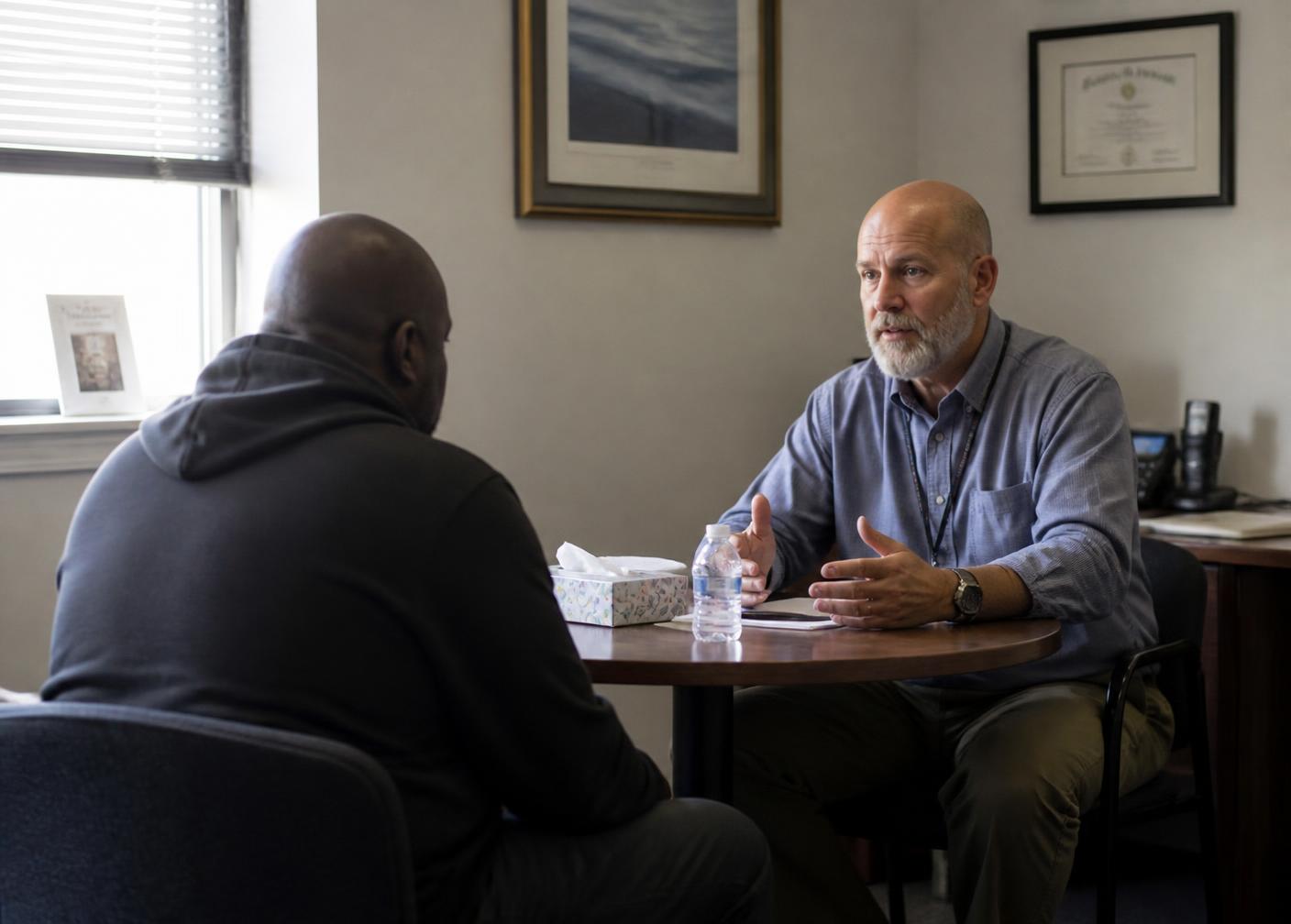
A counselor and a client talking across a small table in a plain office

Daily life

What life here supports

  • Daily structure

    Predictable routine that makes early recovery manageable.

  • Individual counseling

    One-on-one time to work through what recovery is asking of you.

  • Group support

    Regular groups where honesty is expected and shared.

  • 12-step connection

    Daily AA or NA meeting participation as described by the program.

  • Life skills

    Practical work on responsibility, routines, and next steps.

  • Wellness and movement

    Exercise and healthy habits as part of the day.

The exact schedule and services depend on individualized needs and current availability.

Community in action

Connection beyond the program

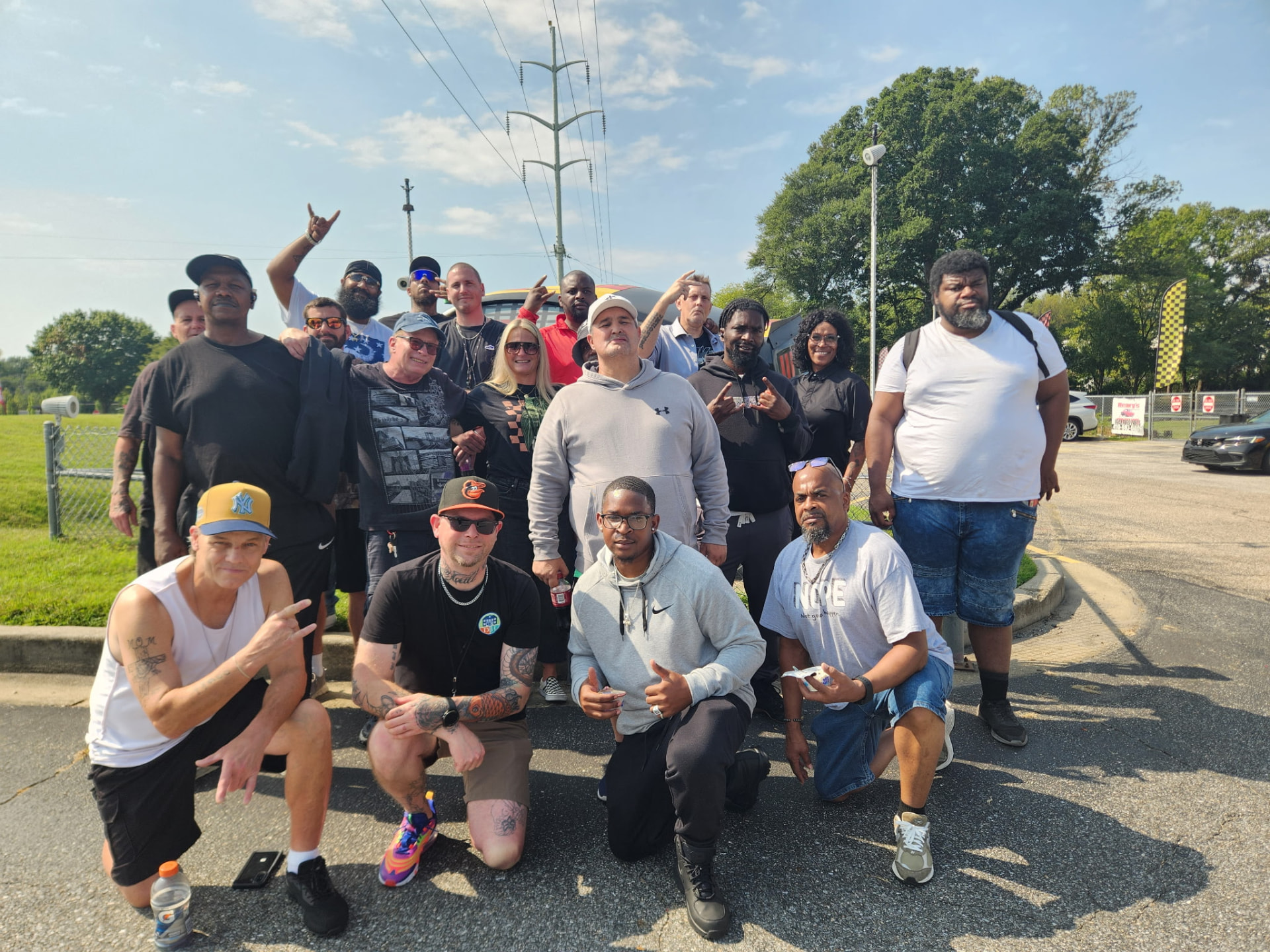
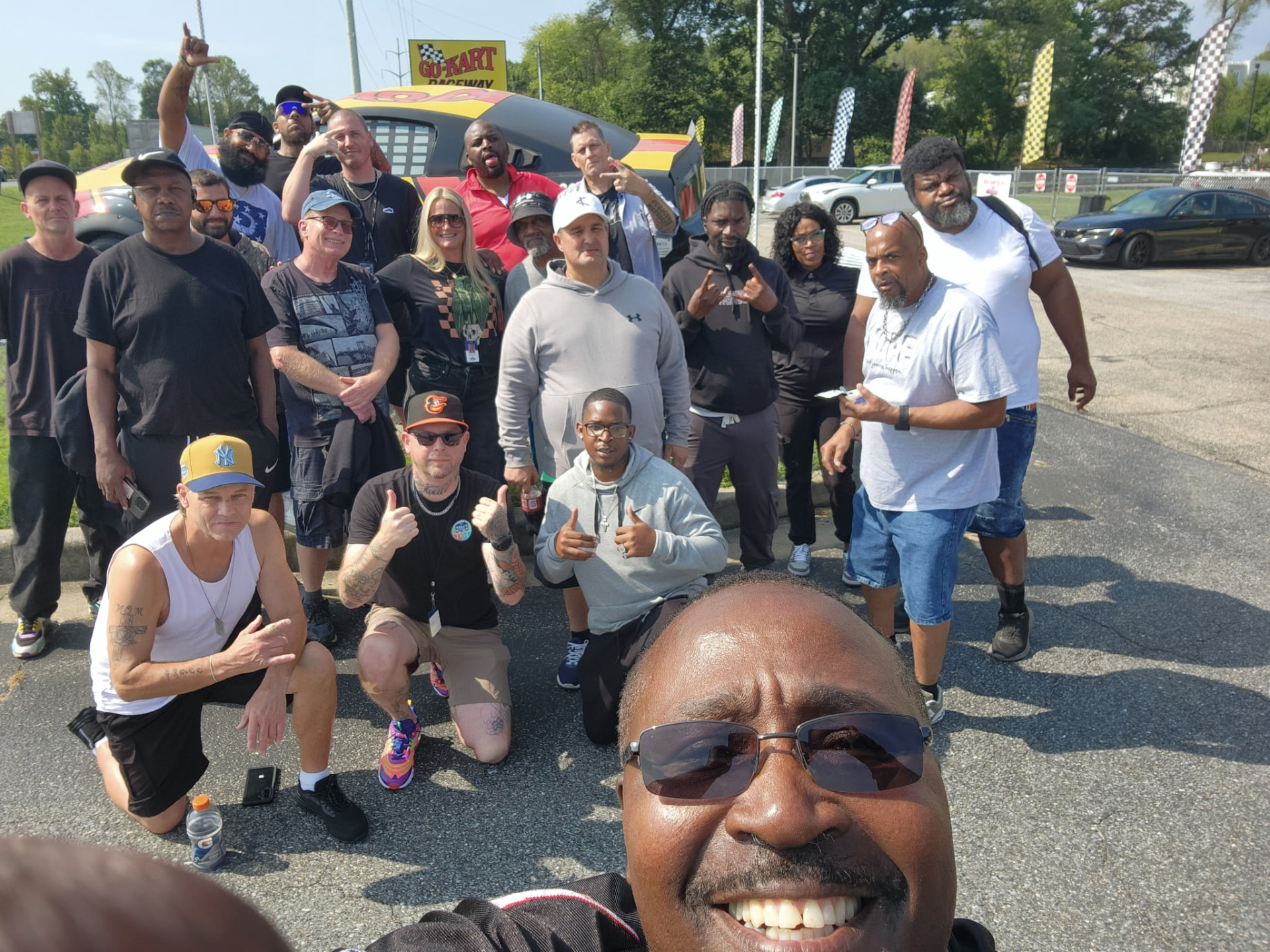
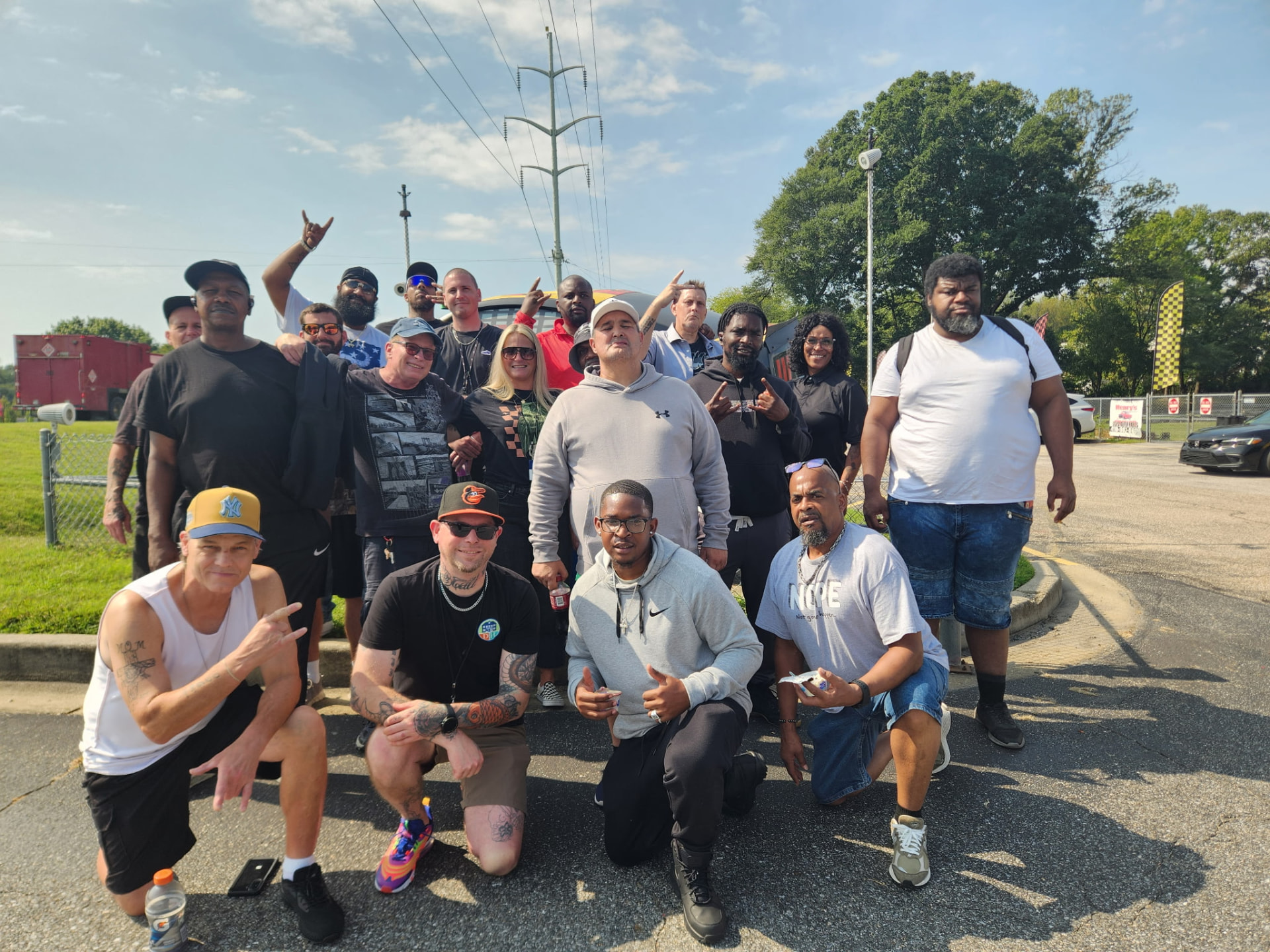
Time together outside the house gives our community room to connect, enjoy the day, and build relationships grounded in shared experience.

These recent moments are a reminder that recovery also includes belonging, encouragement, and making good memories together.

Damascus House community members gathered together during a recent group outing
Community members smiling together during an outdoor group activity
Damascus House community posing together at a recent outing

A recent Damascus House community outing.

Pathway

How the path often moves

Placement is individualized and the exact path varies. Some men begin with residential support, others start in outpatient care.

  1. 01

    Stabilize first when needed

    Detox or higher-intensity treatment happens elsewhere before residential support begins.

  2. 02

    Enter structured residential support

    A supervised living environment with staff support around the clock.

  3. 03

    Build routines and connections

    Counseling, groups, 12-step participation, life skills, and accountability.

  4. 04

    Step into IOP or OP

    Continue structured therapy while carrying more of daily life yourself.

  5. 05

    Continue with community and aftercare

    Ongoing meetings, peer support, and an aftercare plan.

Our residences

Six Houses. One Mission.

Our six residential houses provide supportive recovery environments built around structure, accountability, community, and continued growth.

The front of a Damascus House residence: a white three-story house with a covered porch and front lawn

Our legacy

A Legacy of Recovery That Spans Generations

Damascus House is a nonprofit organization that has served Maryland’s recovery community for more than 40 years.

In that time, it has become a familiar name in local recovery circles. People still talk about their time here decades later, and many of the men walking in today were sent by someone who once walked in themselves.

About Damascus House

More than four decades. Countless stories of recovery.

Stories That Span Generations

For more than 40 years, Damascus House has been part of Maryland’s recovery community. Some of the people we meet today still remember walking through our doors decades ago.

When I left, I had the tools needed to stay clean.
— Former client, public review
“This place helped me change my life.”
— 2025 graduate, public review

Experiences vary from person to person. Testimonials do not guarantee results.

You do not have to figure out the next step alone.

Call to speak privately with our team about residential and outpatient options, current availability, and what a first step could look like.

Damascus House is located at 4203 Ritchie Highway, Brooklyn, MD 21225, serving men from Brooklyn, Baltimore, Glen Burnie, and Anne Arundel County. Call (443) 805-4080 to talk with our admissions team.

Private conversation, no pressure

(443) 805-4080

Call Admissions